
Earth Knowledge FSI

Environmental risk is financial risk. With the right insights and strategies, environmental risk can lead to financial opportunity.
According to research from the Green Finance Institute, damage to the natural environment could cause a 12% loss to UK GDP in the future.
The report assesses the impact that nature degradation could have on the economic and financial sector, revealing that nature degradation could lead to a greater loss to UK GDP than the Covid-19 pandemic (11%), and the 2008 financial crisis (5%).
In terms of financial impact, the research estimates that the domestic portfolios of banks could face reductions of up to 4-5%, which would affect financial resilience.
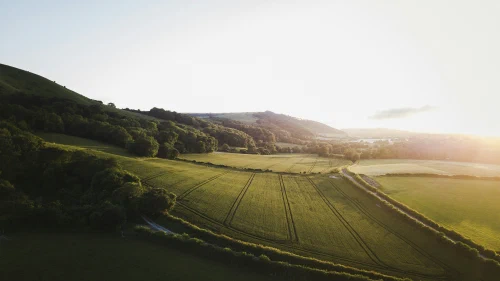
Mitigate risk of climate & nature change
Investors around the world know how valuable it is for companies and their supply chains to seamlessly operate, harness opportunities and mitigate their risks.
As our planet is changing, new environmental risks and opportunities are emerging. These changes bring uncertainty, and no company nor investor wants to be caught off guard.
Earth Knowledge provides highly authoritative science-based analytics to assess, mitigate and monitor current and future risks and opportunities.
Find your investment hidden risks & opportunities
Within companies, sectors, portfolios are millions of details about the investment which can provide additional current and future risks and opportunities for investors.
Earth Knowledge can help you identify financial these risks and opportunities and extend the power of our climate and nature data platform to protect investments.
Bob Litterman, Founding Partner of Kepos Capital & former Partner and Head of Risk for Goldman Sachs
“In order to build a resilient business of the future, you’re going to need to adapt to a changing planet. Earth Knowledge makes this journey possible with their digital twin. Using the latest system of systems technology, the Earth Knowledge platform quantifies the range of future potential outcomes for a wide range of environmental and climate related variables. If you’re going to build resilience, Earth Knowledge delivers the strongest foundation.”

Our climate & nature partners









In recognition of our scientific capabilities, Earth Knowledge is the climate and nature change data provider for over 800,000 NASDAQ users globally.
Financial Services & Insurance Platform
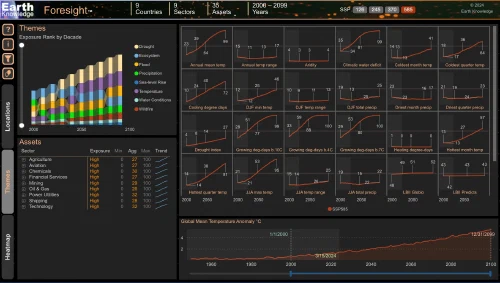
Visualize climate impact on portfolios
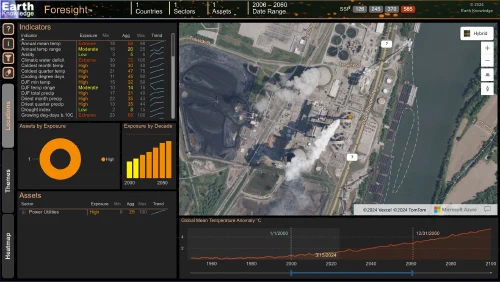
Industry-leading resolution
Earth Knowledge FSI solutions are developed by the Earth Knowledge Leadership & Science Council. In addition to over 300 years of climate and biodiversity experience, Science Council members have also co-authored;
- Intergovernmental Panel on Climate Change (IPCC),
- Intergovernmental Panel on Biodiversity & Ecosystem Services (IPBES),
- U.S. National Climate Assessments (NCA),
- IPBES Business & Biodiversity Report,
- Reports with WWF and World Bank, Microsoft and EY.
Financial Services use cases
Credit Risk
Real Estate
Bonds
Project Finance
Environmental hazards can engender financial risks for projects. With informed strategies, hazard identification can lead to financial opportunities and increased confidence of commercial success.
Climate and nature indicators and stress testing scenarios can inform the mitigation of medium and long-tail risks and uncertainties for projects of all types and sizes from infrastructure, manufacturing, industrial and services sectors.
Pension Funds
Sector-specific Portfolio Risks
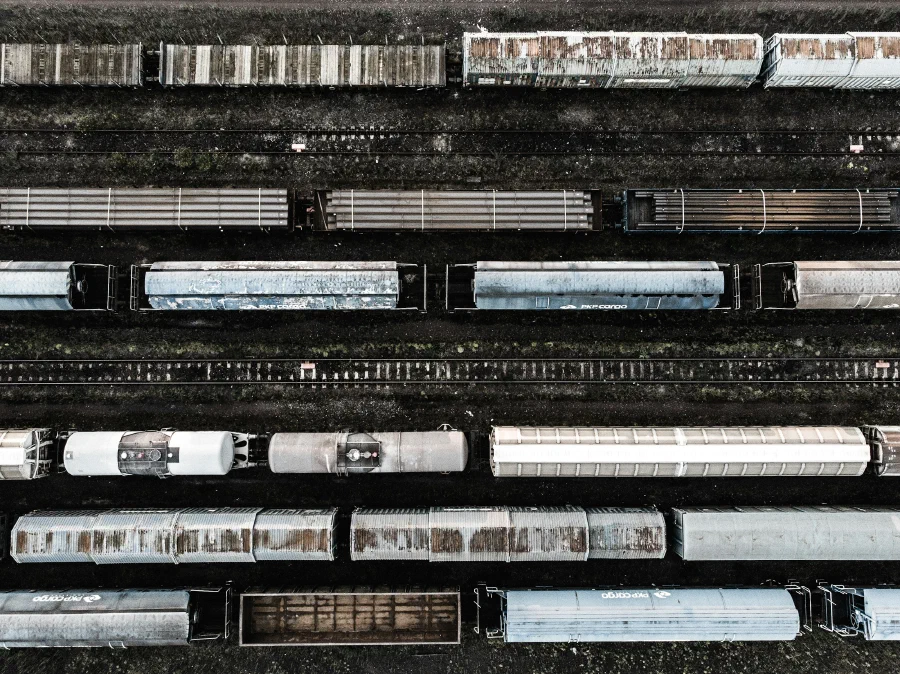
Comprehensive sector-specific insights with Earth Knowledge Twin
Insurance: Landscape Wildfire Potential
Wildfire potential isn’t static, it evolves continuously based on soil moisture, humidity, heat, vegetation type, solar exposure, soil types and evaporation. Our landscape wildfire potential platform is used for operational planning and prediction by leading wildfire experts, including California state agencies.
Our innovative approach to calculating and projecting wildfire potential 3-9 months into the future, enables insurers and reinsurers to leverage data insights which can mitigate loss potential in their portfolio in advance of ignition events.
Insurance: Extreme Precipitation Events
Extreme precipitation events - “Atmospheric Rivers” in the Western United States, “Rain Bombs” in Eastern Australia, represent increasingly costly natural catastrophe risks for insurers. These intense periods of precipitation are vastly different to hurricanes in structure, size and origin, and so, different modeling approaches are required to understand the impact these events will have on the landscape.
Our Extreme Precipitation Events module provides insurers and reinsurers with fine-scaled spatially distributed data 5-10 days before an extreme precipitation event occurs. Our data provides insights into upcoming flood & inundation, debris flows and landslide risks. With this information, loss mitigation strategies can be employed at high-risk, high-value locations and loss adjusters and claims managers deployed for wider community impacts - days before the event takes place.
Manufactuing: Water availability
Many manufacturing industries require substantial amounts of water for their processes. For instance, industries like textiles, paper, chemicals, and food processing are heavily water dependent. If a company operates in a region where water is scarce or where there are stringent regulations on water usage, it may face operational challenges.
A decrease in water availability can lead to increased costs for sourcing water, implementing water recycling systems, or paying higher prices due to competition for limited resources. Additionally, in regions with water scarcity, companies may face public scrutiny and regulatory pressures to reduce their water footprint, leading to a need for investment in more efficient, water-saving technologies. This scenario can affect the company's profitability and operational efficiency.
Commerical Asset Management: Sea-level Rise
Portfolios with assets located in coastal areas, such as manufacturing plants, warehouses, or office buildings, may face direct physical damage or loss of property due to rising sea levels. Impacts can include inundation of facilities, erosion of supporting land, and increased vulnerability to storm surges. Such damage not only requires expensive repairs or relocation but also disrupts business operations, leading to lost revenue and increased operational costs.
Water Utilities & Wastewater: Water availability
For a municipality, water availability is a critical factor influencing its ability to provide essential services to residents and businesses. Municipalities are responsible for ensuring a reliable supply of potable water, managing wastewater treatment, and sometimes providing irrigation services. Often associated with municipal bonds, here's how water availability can impact a municipality's operations:
Potable Water Supply: Municipalities with limited water availability may struggle to provide sufficient potable water to their residents and businesses. This can lead to water rationing, restrictions on use, and the need for expensive investments in water importation or alternative sources like desalination or recycled water. These measures can increase operational costs and necessitate higher water rates for residents and businesses.
Extractive Industries: Peak Runoff
A changing trend in peak runoff can cause significant environmental issues, especially for companies in industries like mining, chemicals, or oil and gas. Runoff can mobilize and spread pollutants from these sites, leading to soil and water contamination. This not only poses serious environmental threats but also results in hefty cleanup costs, potential fines, and significant reputation loss for the company.

Learn more about our financial services solutions
We understand the unique challenges faced by financial institutions in integrating environmental considerations into their strategic decisions. Our solutions offer comprehensive, authoritative insights into identification and quantification of climate and nature-related physical risks.
To learn more;