Perspectives

Look deep into nature, and then you will understand everything better.

-- Albert Einstein

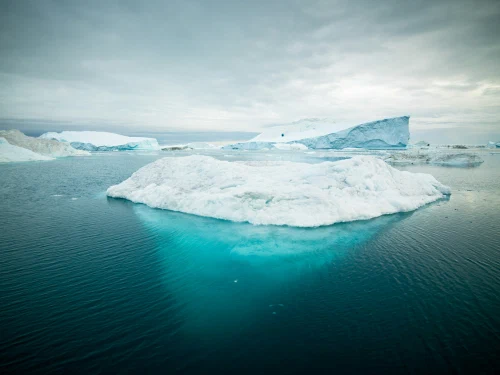
An iceberg in still water

Cascading Climate Risk: What Leaders Need to Know and Do

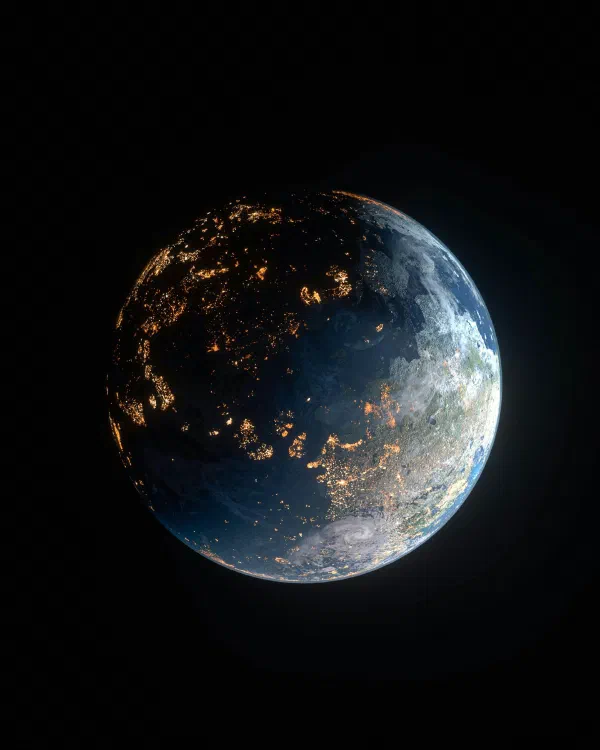
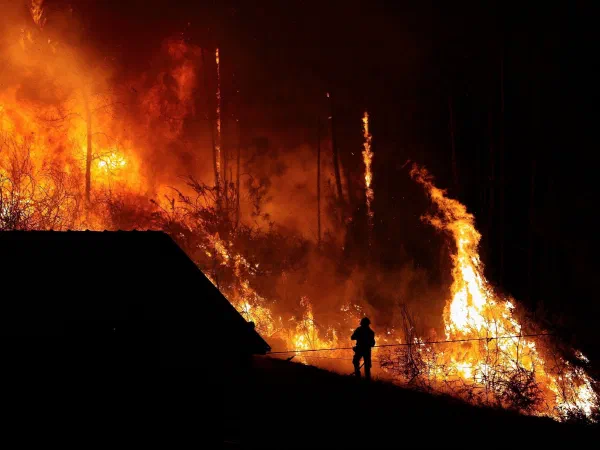
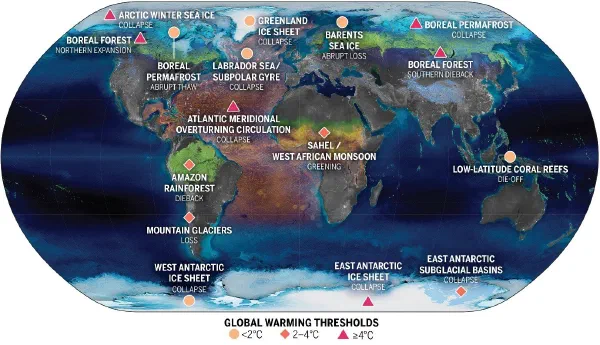
There is growing evidence that our changing climate is exacerbating extreme weather, compromising global food and water security, accelerating the spread of disease, and fueling mass displacement. Clearly, none of this is good for the public interest or for business. Yet there are meaningful ways to anticipate and mitigate these risks as well as seize new opportunities on our changing planet. This is what Earth Knowledge helps organizations do, thanks to the most comprehensive planetary intelligence platform—providing integrated weather, climate, and earth systems insights from days to decades from now. Earth Knowledge's Systems of Systems approach analyzes numerous Earth system components across varying spatial and temporal scales to evaluate the cascading effects in climate-hydrologic-ecologic systems. This comprehensive approach assesses historical and likely future changes over a 200-year period, drawing on over 100 years of the historical record and considering four possible climate futures. By tracking the state of the science, our analyses can help identify potential tipping points. Here’s why access to these insights is so important for today’s leaders.
Read More: Cascading Climate Risk: What Leaders Need to Know and Do

Forecasts Provide an “Unprecedented Level of Credibility and Detail” in the Face of Growing Extreme Weather Risks

In this piece, Dr. Don Wuebbles, who was part of the panel that shared the 2007 Nobel Peace Prize for climate science, discusses the growing risk of extreme weather events to society and business—and what he describes as an “unprecedented level of credibility and detail” in forecasts provided by Earth Knowledge to help leaders manage those risks.

Read More: Forecasts Provide an “Unprecedented Level of Credibility and Detail” in the Face of Growing Extreme Weather Risks

So, If Global Warming Is Real, Why Is It So Cold?

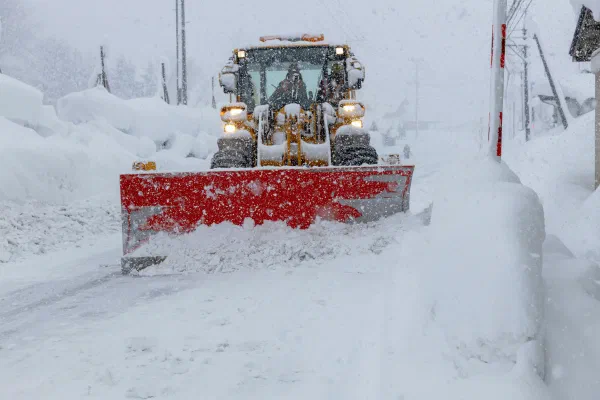
Any time we get a cold-weather event, people start asking this question. That is particularly true in an event like we just went through with extreme cold and lots of snow in late November and Early December 2025 in the Midwest and Northeast. What people don’t seem to realize, although it did receive some admittedly minor discussion in the media, is that we just experienced a very unusual event that has driven this weather in our part of the world, a Sudden Stratospheric Warming.

Read More: So, If Global Warming Is Real, Why Is It So Cold?

The Crystal Ball: Forecasts Versus Projections in Determining Environmental Risk

When referring to future changes in weather and climate, and the resulting potential impacts on humanity, associated infrastructure, and societal sectors, scientists often refer to forecasts and projections. The difference between these two terms can often be confusing and somewhat different than how these terms are often used in business, so let’s examine what is meant by each in determining environmental risk.

Read More: The Crystal Ball: Forecasts Versus Projections in Determining Environmental Risk

Can Global Mean Temperatures be Held to 1.5°C or Less Without Major Efforts in Carbon Removal / Geoengineering?

Based on both the temperature trend analysis and the remaining carbon analysis, humanity is very unlikely to meet the identified targets needed to keep the global temperature change to 1.5°C. As a result, the SSP1-1.9 scenario assumptions for future emissions towards enabling a limit of 1.5°C are also extremely unlikely unless affordable, rapid, and technically feasible improvements in geoengineering approaches are developed and safely implemented.

Read More: Can Global Mean Temperatures be Held to 1.5°C or Less Without Major Efforts in Carbon Removal / Geoengineering?