Earth Knowledge Twin

Comprehensive global coverage for physical climate & nature risks
Customizable data insights for any location on the planet. Make informed decisions and report with best-in-class science. Flexible from 1 asset to 100,000 assets or more.
Earth Knowledge Twin.
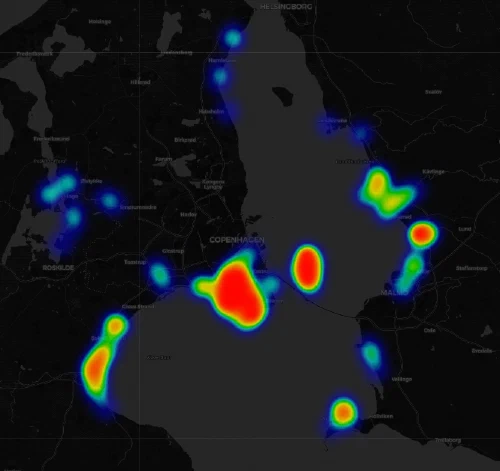
The authoritative platform to accurately measure and report physical climate & nature risk using Integrated Planetary Intelligence®.
Represent system-subsystem interactions
Our planet is a complex web of systems and sub-systems. Traditional probabilistic approaches fail to accurately model these different feedback loops.
At the heart of Earth Knowledge Twins is a sophisticated platform that captures the intertwined relationships of Earth systems and their cascading impacts.
Earth Knowledge validates its models against more than a century of historical data (where available) and develops alternative future scenario projections from present day to 2100 based on society's response to climate and nature change.
Best-in-class science
Over 50 indicators

Jonas Englund, Co-Founder and Chief Strategy Officer @ GreenBond Advisors and Advisor to Nasdaq
“Earth Knowledge with their Integrated Planetary Intelligence® provides some of the highest caliber climate and biodiversity impact data in the world helping investors, issuers, underwriters, banks, insurance companies, exchanges, rating agencies, municipalities, etc., to truly understand and mitigate subtle to cascading inter-connected environmental risks for debt and equity portfolios, physical assets, projects, transition risk and much more.”
What’s included in Earth Knowledge Twin?
Tailored datasets
Earth Knowledge Twin customers have the ability to intersect a single asset, through to hundreds of thousands of assets. Indicators, spatial resolution and temporal resolution can all be customized to meet sector-specific needs (i.e., nature dependent or water dependent assets).
Access to ad-hoc analysis
Certain locations may be subject to more extreme change than others. As an Earth Knowledge customer, you’ll have access to a team of specialists who can assist with deeper locational assessments including watershed analysis, supply shed analysis and more.
Up to 40,000 individual metrics per location
Powered by Earth Knowledge Twin, up to 40,000 individual metrics per location can be provided across our 50+ indicators and differing temporal resolutions. If you’re unsure which indicators works best for your use case, our climate experts will be happy to help.
Regulatory-friendly data
Our data and accompanying support documentation is designed to align with the requirements for customers undertaking ESRS, CSRD, TCFD, TNFD, CA-SB 261 and other regulatory disclosures
Transparent and peer-reviewed data models
Projections from climate and nature data providers are based on different models and processing techniques. Earth Knowledge is not a “black box”. To learn more about the models and techniques we use daily in our solutions, refer to our Publications page.
Access to the Earth Knowledge Base
Our comprehensive learning environment is designed to help users with little or no knowledge of physical climate and nature risk take full advantage of our best-in-class data. Understand sector-specific approaches, and learn more about underlying methodologies, data sources and more.
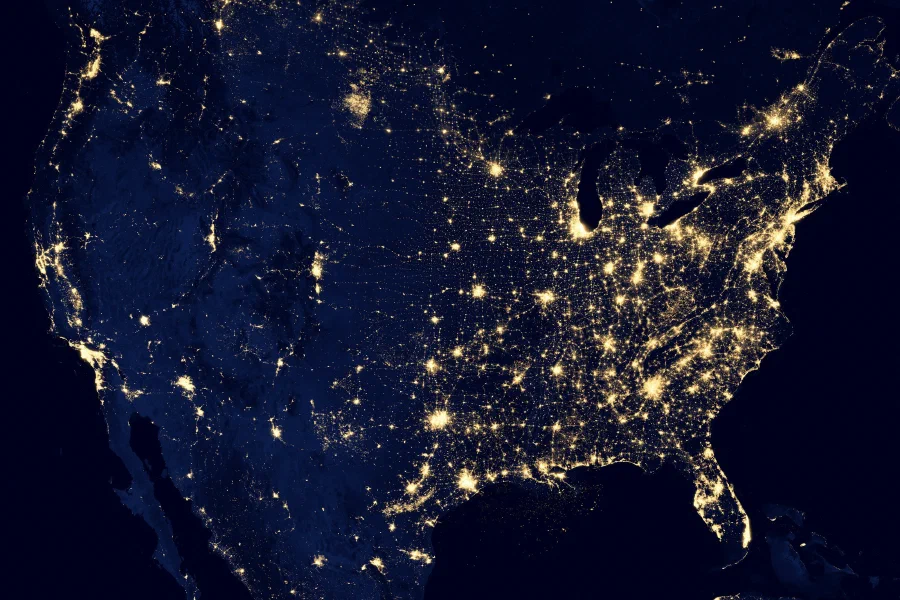
The most comprehensive climate and nature change data platform: Earth Knowledge Twin
6,038,400,000,000 data points
Over 6 trillion discrete data points describing planetary conditions are accessible. They comprise core themes that include air temperature, precipitation, water availability, biodiversity, drought, wildfire and sea-level rise.
1.425 petabytes of data
The Earth Knowledge Twin provides clients with an unprecedented level of API-accessible data, enabling complex climate & nature simulations.
Over 200 climate, weather, and nature indicators
Our system of systems indicators cover water conditions, precipitation, temperature, drought, wildfire, sea-level rise, biodiversity, flood and more.
Available on the following marketplaces:

Comprehensive sector-specific insights with Earth Knowledge Twin
Construction: Drought & Water Availability
Water is a fundamental component of every manufacturing processes at some scale or another. Its usage has inherent costs that can be affected by changes in supply availability and quality. From a climate perspective, drought conditions can also lead to new or increased resource regulation and can require the use of new or modified technology changes that have the potential to significantly increase usage costs
Energy & Utilities: Cooling Degree Days (CDD)
A rise in CDDs, typically during hotter and/or longer summers, leads to increased demand for air conditioning and cooling systems in homes and businesses. This surge in demand can strain the energy grid, requiring utility companies to ramp up production and possibly invest in additional infrastructure to meet peak loads. Higher CDDs can also lead to increased revenue due to higher electricity usage, but this is often accompanied by challenges like managing load distribution and maintaining infrastructure.
Conversely, a decrease in CDDs, indicating milder temperatures, results in lower demand for cooling. This can lead to reduced revenue for utility companies. However, it may also lower operational costs and lessen the strain on the energy grid. It gives these companies an opportunity to perform maintenance and upgrades without the pressure of high demand.
Pharmaceuticals / Bioprospecting: Species Richness
The pharmaceutical industry often relies on biological resources for drug discovery and development, a process known as bioprospecting. A decrease in species intactness can lead to the loss of genetic diversity and potentially valuable undiscovered compounds that could be used in new medications. This loss can limit opportunities for innovation and drug development, affecting the long-term sustainability and profitability of pharmaceutical companies.
Retail & Consumer Goods: Temperature of Hottest Month
A change in the temperature of the hottest month can significantly affect companies in the retail and consumer goods sectors. For example, if the temperature of the hottest month shifts to a period traditionally associated with lower temperatures, this could disrupt sales patterns for seasonal products. Companies might find themselves with excess inventory of summer products like air conditioners, swimwear, or cold beverages during a period when demand is unexpectedly low. This mismatch can lead to increased holding costs, markdowns, and reduced profit margins. Conversely, there could be a shortfall in supply during the new hottest month, leading to lost sales opportunities. To adapt, companies might need to revise their product sourcing and inventory management strategies, potentially incurring additional costs and impacting the asset value of inventory and supply chain infrastructure.
Agriculture: Species Intactness
Declines in species intactness, particularly of pollinators like bees and butterflies, can directly impact agricultural productivity and crop yields. Many crops depend on insect pollination, so a reduction in pollinator populations can lead to decreased fruit, vegetable, and seed production, increasing costs and reducing income for farmers and agribusinesses. This can also lead to higher prices for consumers and potentially affect the global food supply.
Tourism: Wildfire Index
For businesses in the tourism and hospitality industry, such as hotels, resorts, and travel agencies, a high Wildfire Index can significantly impact operations. These businesses rely on the attractiveness and safety of their destinations to draw visitors. A high wildfire risk can deter tourists, leading to cancellations and reduced bookings. Additionally, these businesses must prioritize the safety of their guests, which can involve emergency preparedness plans, evacuation procedures, and constant monitoring of wildfire alerts.
In regions where tourism is highly seasonal, a high Wildfire Index during peak seasons can have a substantial financial impact. It can lead to a decrease in visitor numbers, affecting the revenue of businesses that depend on peak-season traffic. Furthermore, higher wildfire risks can increase insurance premiums for these businesses, adding to operational costs. It may also necessitate additional investments in fire prevention and safety measures to protect properties and ensure the safety of guests.


Our climate & nature partners